
Caregiver jobs in Canada with visa sponsorship remain one of the most searched immigration routes for Nigerian workers — but the rules changed substantially in 2026, and most of the advice circulating online is now out of date in a way that can cost you money.
This guide explains what actually applies today: which caregiver work permits still exist, which permanent residence route has closed, what genuine alternatives remain, and how to avoid paying a consultant for a programme that is no longer accepting applications.
Important 2026 update — read this before paying anyone. IRCC has paused intake for the Home Care Worker Immigration Pilots. No new applications are accepted under those pilots from 31 March 2026 until 30 March 2030. Any agent currently offering to “process your Canada caregiver PR application” under these pilots is either misinformed or defrauding you. Caregiver work permits still exist; the dedicated caregiver PR pilot does not currently accept applicants.
Quick summary: You can still work in Canada as a caregiver through an employer-obtained LMIA work permit under the Temporary Foreign Worker Program. Home child care providers are NOC 44100 and home support workers NOC 44101, both TEER 4. Permanent residence must now be pursued through Provincial Nominee Programs, the Rural Community Immigration Pilot, or by moving into a higher-TEER healthcare role. Verify everything on canada.ca and every consultant on the CICC register.
What Changed in 2026
Canada previously ran two caregiver-specific permanent residence pilots — the Home Child Care Provider Pilot and the Home Support Worker Pilot, later restructured as the Home Care Worker Immigration Pilots. These were unusually attractive because they offered permanent residence rather than requiring years of Canadian work experience first.
Demand overwhelmed them. Both pilots reached their application caps within hours of opening. IRCC responded by pausing intake entirely, and has confirmed the pilots will not reopen during 2026. The department has signalled that a redesigned caregiver pathway may be announced, but no details have been published.
What this means practically: the caregiving job route into Canada is still open. The caregiving fast-track to PR is not. Anyone telling you otherwise is selling something.
Types of Caregiver Jobs Available With Sponsorship
| Role | NOC Code | TEER | Typical Wage (CAD) | PR Access |
|---|---|---|---|---|
| Home child care provider | 44100 | TEER 4 | $17–25 / hour | Limited — PNP, RCIP only |
| Home support worker | 44101 | TEER 4 | $18–27 / hour | Limited — PNP, RCIP only |
| Nurse aide / orderly | 33102 | TEER 3 | $20–32 / hour | Better — CEC eligible |
| Licensed practical nurse | 32101 | TEER 2 | $28–42 / hour | Strong |
| Registered nurse | 31301 | TEER 1 | $36–55 / hour | Strong — category draws |
| Personal support worker (facility) | 33102 | TEER 3 | $20–30 / hour | Better — CEC eligible |
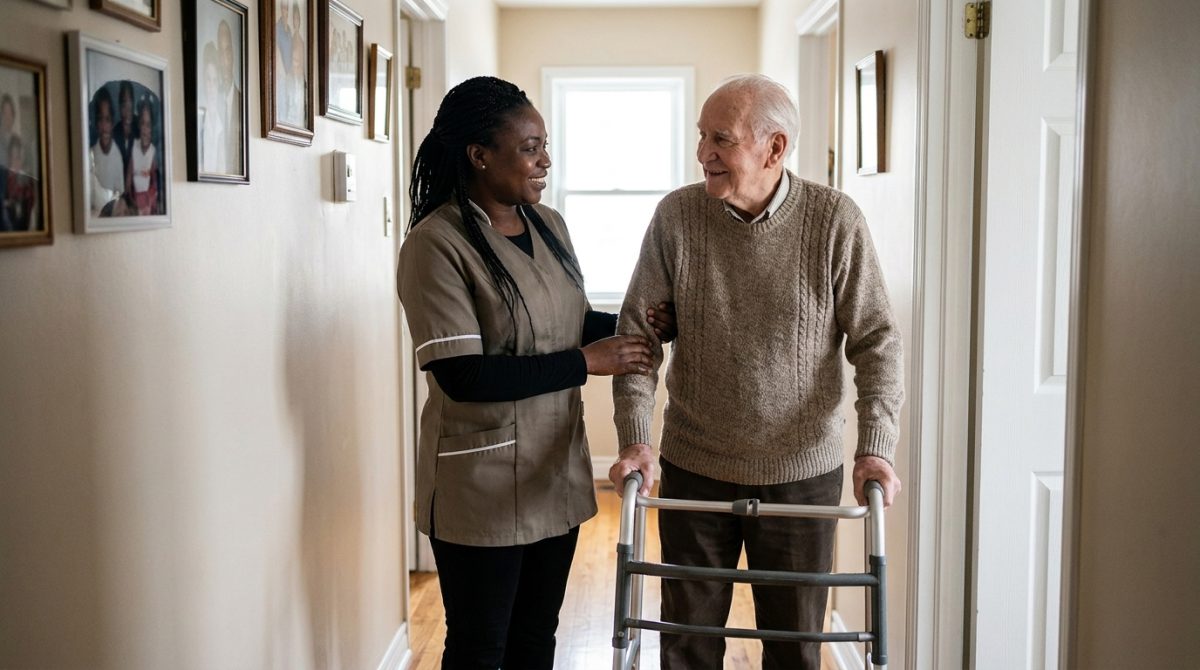
This table contains the single most important strategic insight in this article. TEER 4 caregiving roles have the weakest permanent residence access of any healthcare occupation in Canada. If your goal is to settle permanently, the nurse aide (NOC 33102) route at TEER 3 is materially stronger, because TEER 0–3 occupations qualify for the Canadian Experience Class after one year of Canadian work.
Visa Types for Caregiver Work in Canada
| Permit Type | LMIA Required? | Duration | Employer Tied? |
|---|---|---|---|
| Employer-specific work permit (TFWP) | Yes | 1–3 years, renewable | Yes |
| Provincial Nominee supported permit | Varies | Until PR processed | Usually |
| RCIP-linked permit | No LMIA | Bridging to PR | Designated employer |
| Spousal open work permit | No | Matches principal | No |
| Home Care Worker Pilot PR | — | CLOSED to 30 Mar 2030 | — |
Visa Requirements for Employment
- A genuine job offer from a Canadian family or care agency, supported by a positive LMIA.
- Relevant training or experience — typically six months of training or one year of paid caregiving experience, documented.
- Language ability — IELTS General or CELPIP. Caregiving is communication-intensive and officers weigh this heavily.
- Secondary school completion or equivalent, assessed where required.
- Medical examination by an IRCC panel physician — mandatory for anyone working in healthcare or with vulnerable people.
- Police clearance certificates from every country of residence since age 18. Vulnerable-sector work makes this non-negotiable.
- Proof of funds for initial settlement.
- Valid international passport.
Steps to Get Visa Sponsorship
- Decide your target NOC honestly. If PR matters to you, aim for NOC 33102 rather than 44100/44101.
- Document your caregiving experience with reference letters stating duties, dates and hours.
- Sit a language test early. Weak scores are the most common cause of refusal in this category.
- Apply to licensed care agencies and facilities rather than responding to individual social media adverts.
- Secure a written job offer stating NOC code, wage, hours and duties.
- Employer obtains the LMIA at their own cost.
- Submit your work permit application through the IRCC portal.
- Complete biometrics and medicals.
- On arrival, begin building toward PR through a provincial stream or by upgrading your role.
Private-family caregiver placements carry the highest fraud risk of any Canadian work route. Offers arriving through WhatsApp or Facebook from a “family in Canada” who needs a nanny urgently, and who asks for a processing fee, are the single most common scam targeting Nigerian women. A real LMIA-backed offer costs the employer money and takes months. It never requires you to pay.
Employment Agencies and International Recruitment
| Resource | What It Is | Official Website |
|---|---|---|
| Job Bank | Government job board; LMIA caregiver roles posted here | jobbank.gc.ca |
| CICC | Verify any immigration consultant before paying | college-ic.ca |
| Canada.ca caregiver hub | Official caregiver programme information and updates | canada.ca |
| Provincial health authorities | Direct employers for facility-based care roles | Each provincial health site |
| Canadian Anti-Fraud Centre | Report caregiver recruitment fraud | antifraudcentre-centreantifraude.ca |

Permanent Residence Pathways That Still Work
With the caregiver pilots closed, these are the routes that remain genuinely available.
Provincial Nominee Programs
Several provinces operate streams that accommodate healthcare support and semi-skilled occupations, including caregiving roles. A provincial nomination adds 600 CRS points to an Express Entry profile, which effectively guarantees an invitation. Streams and occupation lists change frequently, so check the current provincial page directly.
Rural Community Immigration Pilot (RCIP)
RCIP offers permanent residence through designated employers in 14 participating communities across six provinces. Health and care occupations appear on several communities’ priority lists, and rural areas have acute care-worker shortages. Requirements are often more accessible than federal streams in exchange for settling in that community.
Upgrading Your Occupation
This is the strategy most often overlooked. Moving from a TEER 4 home support role into a TEER 3 nurse aide position, or completing a practical nursing qualification in Canada, transforms your immigration position. It converts you from someone with almost no federal PR access into a Canadian Experience Class candidate.
| Programme | Open to Caregivers? | Best For | Official Source |
|---|---|---|---|
| Provincial Nominee Program | Yes, varies by province | Those with a provincial job offer | canada.ca / provincial sites |
| Rural Community Immigration Pilot | Yes, in participating communities | Willing to settle rurally | canada.ca |
| Canadian Experience Class | Only at TEER 0–3 | Nurse aides, LPNs, RNs | canada.ca |
| Atlantic Immigration Program | Yes, designated employers | Atlantic Canada placements | canada.ca |
| Home Care Worker Pilots | No — closed to 2030 | — | canada.ca |
Settlement Benefits for Caregivers and Their Families
| Benefit | On a Work Permit? | With PR? | Notes |
|---|---|---|---|
| Public healthcare | Usually yes | Yes | Provincial; waiting periods apply in some provinces |
| Free public schooling | Yes | Yes | Dependent children need no study permit |
| Spousal open work permit | Varies for TEER 4 | Yes | Confirm eligibility — not automatic at TEER 4 |
| Employment standards protection | Yes | Yes | Applies in private homes too — including overtime and rest days |
| Workers’ compensation | Yes | Yes | Coverage rules for private households vary by province |
| Freedom to change employers | No | Yes | Critical protection against exploitation |
| Path to citizenship | No | Yes | Generally after three years of physical presence in five |
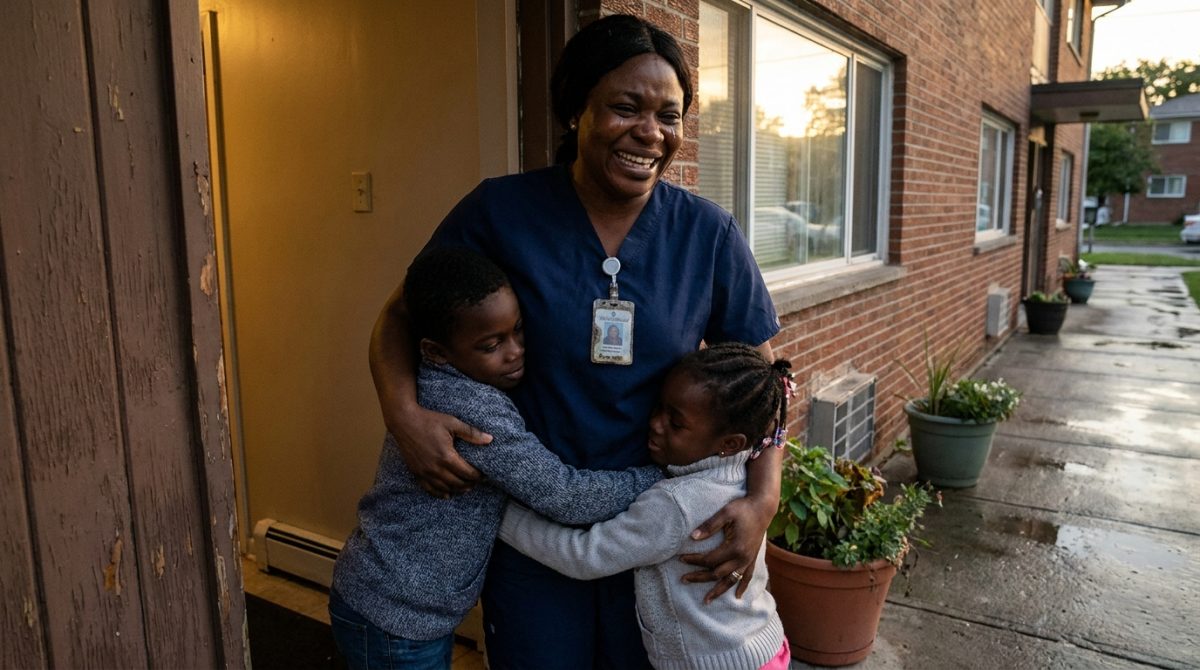
A point specific to live-in caregiving: working inside an employer’s home does not reduce your rights. Provincial employment standards on minimum wage, hours, overtime and days off apply to caregivers exactly as they do to other workers. If an employer confiscates your passport, that is illegal — contact the nearest Canadian authority or a settlement agency immediately. IRCC also issues open work permits for vulnerable workers experiencing abuse, allowing you to leave an exploitative employer without losing status.
Requirements and Documents Checklist
- Valid international passport
- Signed job offer stating NOC code, wage and duties
- Positive LMIA number
- Caregiving training certificates or experience letters
- Educational credential documents
- IELTS General or CELPIP results
- Police clearance certificates (all countries since age 18)
- Panel physician medical examination
- Proof of settlement funds
- Photographs to IRCC specification
Meeting the Eligibility Requirements
Caregiver applications fail most often on three points. Experience documentation is first: informal family caregiving does not count unless it was paid employment with verifiable records. Language is second, and it is weighted heavily because the work involves vulnerable people. Admissibility is third: because caregivers work with children, the elderly and people with disabilities, police certificates and medicals are examined more strictly than in most categories.
Applying at the High Commission and Work Visa Verification
Canadian High Commission Contacts in Nigeria
| Office | Address | Telephone | |
|---|---|---|---|
| High Commission of Canada, Abuja | 13010G Palm Close, Diplomatic Drive, Central Business District, Abuja (P.O. Box 5144) | +234 (209) 461 2900 | abuja@international.gc.ca |
| Deputy High Commission of Canada, Lagos | 4 Anifowoshe Street, Victoria Island, Lagos | +234 201 271 5665 | lagosconsular-consulaire@international.gc.ca |
No Canadian visa office will ever ask you to pay into a personal account. All fees are published on canada.ca and paid through official channels only.
Mistakes to Avoid During the Process
- Paying for a “caregiver PR programme” in 2026. The pilots are closed. This is now the leading caregiver scam.
- Accepting an informal private-family arrangement without an LMIA and written contract.
- Targeting NOC 44100/44101 when PR is your real goal. Consider TEER 3 roles instead.
- Surrendering your passport to an employer or agent. Never do this.
- Using an unlicensed consultant. Check the CICC register first.
- Relying on outdated blog articles. Much online caregiver advice predates the 2026 closure.
- Misrepresenting experience. Carries a five-year ban from Canada.
How to Apply for Caregiver Jobs in Canada With Visa Sponsorship
- Search Job Bank for NOC 44100, 44101 and 33102 roles open to LMIA candidates.
- Apply directly to licensed home care agencies, long-term care facilities and provincial health authorities.
- Prepare experience letters and language results before interviewing.
- Obtain a written offer specifying NOC, wage and duties.
- Wait for employer LMIA approval — at their cost.
- Apply for the work permit through the IRCC secure account.
- Complete biometrics at the Visa Application Centre and your medical.
- On arrival, register with a settlement agency and plan your PR route.
Frequently Asked Questions
Can Nigerians still get caregiver jobs in Canada with visa sponsorship in 2026?
Yes. Caregiver work permits through the Temporary Foreign Worker Program remain available with an employer-obtained LMIA. What has closed is the dedicated caregiver permanent residence pilot, not the ability to work in Canada as a caregiver.
Is the Canada caregiver PR programme still open?
No. IRCC paused intake for the Home Care Worker Immigration Pilots, and no new applications are accepted from 31 March 2026 until 30 March 2030. Any agent claiming to file your caregiver PR application under these pilots right now is not being truthful.
How can a caregiver get permanent residence in Canada now?
Through Provincial Nominee Programs, the Rural Community Immigration Pilot, or by moving into a TEER 3 or higher healthcare occupation such as nurse aide, which qualifies for the Canadian Experience Class after one year of Canadian work.
How much do caregivers earn in Canada?
Home child care providers and home support workers typically earn CAD $17 to $27 per hour depending on province and employer. Facility-based nurse aide roles generally pay more and carry better immigration options.
Do I need formal qualifications to work as a caregiver?
Usually you need either six months of relevant training or one year of paid caregiving experience, plus acceptable language scores and secondary education. Requirements vary by employer and province.
Can I bring my family on a caregiver work permit?
Dependent children can attend Canadian public schools. Spousal open work permit eligibility is not automatic for TEER 4 occupations, so confirm current rules for your specific NOC before assuming your spouse can work.
Is it safe to accept a nanny job from a family I found on Facebook?
Treat it with extreme caution. Private-family caregiver offers are the most common vector for fraud targeting Nigerian applicants. A legitimate offer is supported by an LMIA, comes with a written contract, and never requires you to pay a fee.
What if my employer mistreats me after I arrive?
You have full protection under provincial employment law regardless of immigration status. IRCC also issues open work permits for vulnerable workers, allowing you to leave an abusive employer without losing your status in Canada. Contact a settlement agency for help.
Can I switch from caregiving to nursing in Canada?
Yes, and it is a common and sensible progression. Many caregivers complete practical nursing qualifications in Canada, which raises both earnings and permanent residence prospects considerably.
Will the caregiver pilots reopen?
IRCC has indicated a redesigned caregiver pathway may be developed, but nothing has been confirmed and no details have been published. Plan around the routes that exist today rather than waiting for a programme that may not arrive.
Final Word
Caregiving remains a viable way for Nigerian workers to reach Canada, but 2026 is a year in which the honest advice differs sharply from the advice being sold. The work permits are real. The dedicated PR pilot is closed. The workable strategy is to enter on a legitimate LMIA-backed permit and build toward permanent residence through a provincial stream or by upgrading into a higher-TEER healthcare role.
Verify every consultant on the CICC register, refuse to pay for job offers, and be especially sceptical of private-family placements arranged over social media.
This article is general information, not legal advice. Immigration rules change frequently — confirm all requirements on canada.ca before acting. See our Disclaimer.