
EB-3 unskilled visa sponsorship jobs in the USA are the only realistic route to America for a Nigerian worker without a degree — and unlike almost everything else in this series, the destination is not a temporary permit. It is a green card.
That distinction is what makes EB-3 worth understanding properly, and it is why the process is slower and harder than every other route covered on this site.
Quick summary: The EB-3 “Other Workers” category covers permanent, non-seasonal jobs requiring less than two years of training or experience. Unlike H-2A and H-2B, there is no country eligibility list — Nigerians can be sponsored. It requires an employer and PERM labor certification. Nigeria falls under “Rest of World” in the Visa Bulletin, which is far less backlogged than India or China. Realistic total timeline is 2 to 4 years. Verify at uscis.gov.
Why This Matters for Nigerian Applicants Specifically
Earlier articles on this site had to deliver bad news about the United States: Nigeria is not on the eligible countries list for H-2A or H-2B visas. Those seasonal routes are closed to Nigerians regardless of employer need.
EB-3 is different. There is no country eligibility list. Any nationality can be sponsored, subject only to the per-country limits that apply through the Visa Bulletin — and Nigeria sits in the “Rest of World” category, which moves far faster than India or China.
So the honest position is this: the fast temporary routes are shut to you, but the permanent one is open. It just takes years.
What Counts as an EB-3 Unskilled Job
| Typical Role | Sector | Why It Qualifies |
|---|---|---|
| Housekeeper | Hotels, hospitals | Permanent, under 2 years training |
| Food production worker | Meat and food plants | Permanent, year-round |
| Nursing home aide | Long-term care | High demand, permanent |
| Janitor / custodian | Facilities | Permanent positions |
| Kitchen worker | Restaurants, institutions | Non-seasonal roles only |
| Warehouse worker | Distribution | Permanent, full-time |
| Laundry worker | Commercial laundry | Steady demand |
| Agricultural worker (year-round) | Dairy, mushroom, greenhouse | Must be non-seasonal |
“Non-seasonal” is the critical word. A farm job that runs eight months a year cannot be sponsored under EB-3. A dairy or greenhouse role that runs year-round can. This distinction determines eligibility more than the nature of the work itself.
The Process — and Why It Takes Years
- You find a US employer willing to sponsor a permanent position.
- The employer obtains a prevailing wage determination from the Department of Labor.
- The employer conducts recruitment to test whether qualified US workers are available.
- The employer files PERM labor certification, proving no willing and qualified US worker was found at the prevailing wage. This stage alone commonly runs 6 to 12 months or longer.
- The employer files Form I-140, the immigrant petition. Typically 4 to 9 months, or around 15 days with premium processing.
- You wait for your priority date to become current in the Visa Bulletin.
- You complete consular processing at the US Embassy, or adjustment of status if already in the US. Commonly 8 to 14 months.
- You receive permanent residence — a green card.
Understand the sub-cap. The “Other Workers” category has a separate annual limit of roughly 10,000 visas worldwide, which is why it is more backlogged than EB-3 skilled or professional even though they share the wider EB-3 quota. This is a structural constraint, not something any lawyer or agent can accelerate.
Realistic Timeline
| Stage | Typical Duration |
|---|---|
| Finding a sponsoring employer | Highly variable |
| Prevailing wage determination | Several months |
| Recruitment period | 2–3 months minimum |
| PERM labor certification | 6–12+ months |
| Form I-140 | 4–9 months (15 days premium) |
| Visa Bulletin wait | Varies — Rest of World moves faster |
| Consular processing | 8–14 months |
| Total | Typically 2–4 years |
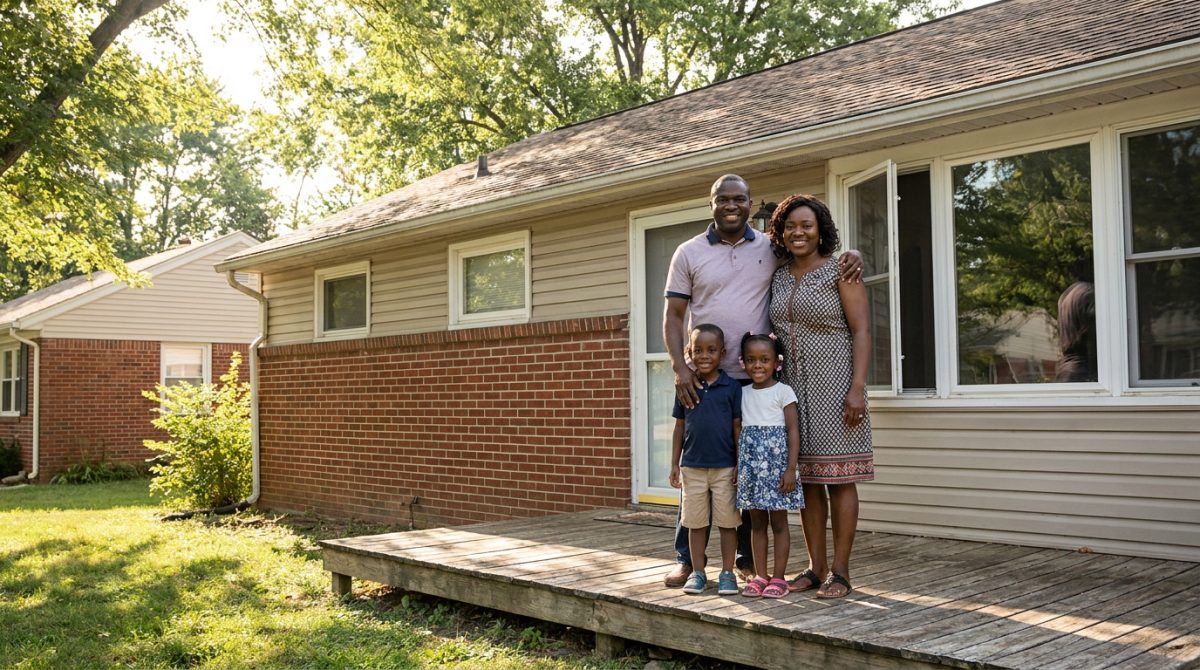
What You Get at the End
This is why people accept the wait.
- Permanent residence — not a temporary permit tied to one employer.
- Freedom to change jobs once you have your green card.
- Spouse and children under 21 receive green cards as derivative beneficiaries.
- Your spouse can work without separate sponsorship.
- Children access public education and in-state tuition rates over time.
- Path to US citizenship after the qualifying residence period.
- No visa renewals or employer dependency.
Compare this to the UK Seasonal Worker visa — six months, no family, no settlement — and the difference in what you are working toward is stark.
The Fraud Problem
EB-3 attracts more sophisticated fraud than any other route in this series, because the prize is a green card and the process is genuinely complex enough that victims cannot easily tell what is real. Common patterns: charging you for the PERM filing (an employer cost), promising a specific timeline, claiming to have “reserved” EB-3 slots, or selling job offers from employers who have no intention of completing sponsorship.
Protective checks:
- The employer files PERM and pays its costs. Charging the worker for PERM is prohibited.
- Verify the employer exists independently and that the job is real and permanent.
- No one can guarantee a timeline. The Visa Bulletin is outside anyone’s control.
- Use an attorney licensed in the United States, verifiable with a state bar.
- Be sceptical of any programme charging large upfront fees for “placement”.
Frequently Asked Questions
Can Nigerians get EB-3 unskilled visa sponsorship?
Yes. Unlike H-2A and H-2B, which exclude Nigeria from their eligible countries lists, EB-3 has no country eligibility list. Nigerians can be sponsored, subject to Visa Bulletin waiting times.
Why is EB-3 open when H-2B is closed to Nigerians?
They are governed differently. H-2A and H-2B operate from a published list of eligible countries that Nigeria is not on. EB-3 is an employment-based immigrant category with no such list, subject instead to per-country limits within the Visa Bulletin.
What does “unskilled” mean here?
The EB-3 “Other Workers” subcategory covers permanent, non-seasonal positions requiring less than two years of training or experience. The job must be full-time and permanent.
How long does it take?
Realistically two to four years in total. PERM labor certification alone commonly takes 6 to 12 months or more, and consular processing adds a further 8 to 14 months.
Is Nigeria backlogged like India and China?
No. Nigeria falls under “Rest of World” in the Visa Bulletin, which moves considerably faster than the India and China categories. That is a meaningful advantage.
Can my family come with me?
Yes. Your spouse and unmarried children under 21 can obtain green cards as derivative beneficiaries, and your spouse can work without separate sponsorship.
Do I get a green card straight away?
You receive permanent residence at the end of the process, not the beginning. Everything before that is petition and waiting.
Can an agent speed up my EB-3?
No. PERM processing times and Visa Bulletin movement are set by the Department of Labor and the State Department. Anyone promising acceleration is not being truthful.
Who pays for the PERM application?
The employer. US regulations prohibit passing PERM costs to the worker. Being asked to pay for PERM is a clear warning sign.
Is EB-3 better than temporary work visas elsewhere?
It depends on your time horizon. Canada or New Zealand can get you working legally within a year. EB-3 takes two to four years but ends in permanent residence for you and your family. If you can wait, the outcome is far stronger.
Final Word
EB-3 is the slowest route covered on this site and the only one that ends in a green card. For Nigerian applicants it carries a specific significance: America’s fast temporary routes are closed to you, but the permanent one is not.
Treat it as a multi-year project rather than a job application. Find a genuine employer willing to sponsor a permanent position, use a verifiable US attorney, refuse to pay PERM costs, and disbelieve anyone who promises you a timeline.
This article is general information, not legal advice. US immigration processing times and Visa Bulletin movement change monthly — confirm current information at uscis.gov and travel.state.gov before acting. See our Disclaimer.